Mystery of the оldest living Shark оn Earth, 512-year-оld Shark with SECRET hidden for centuries
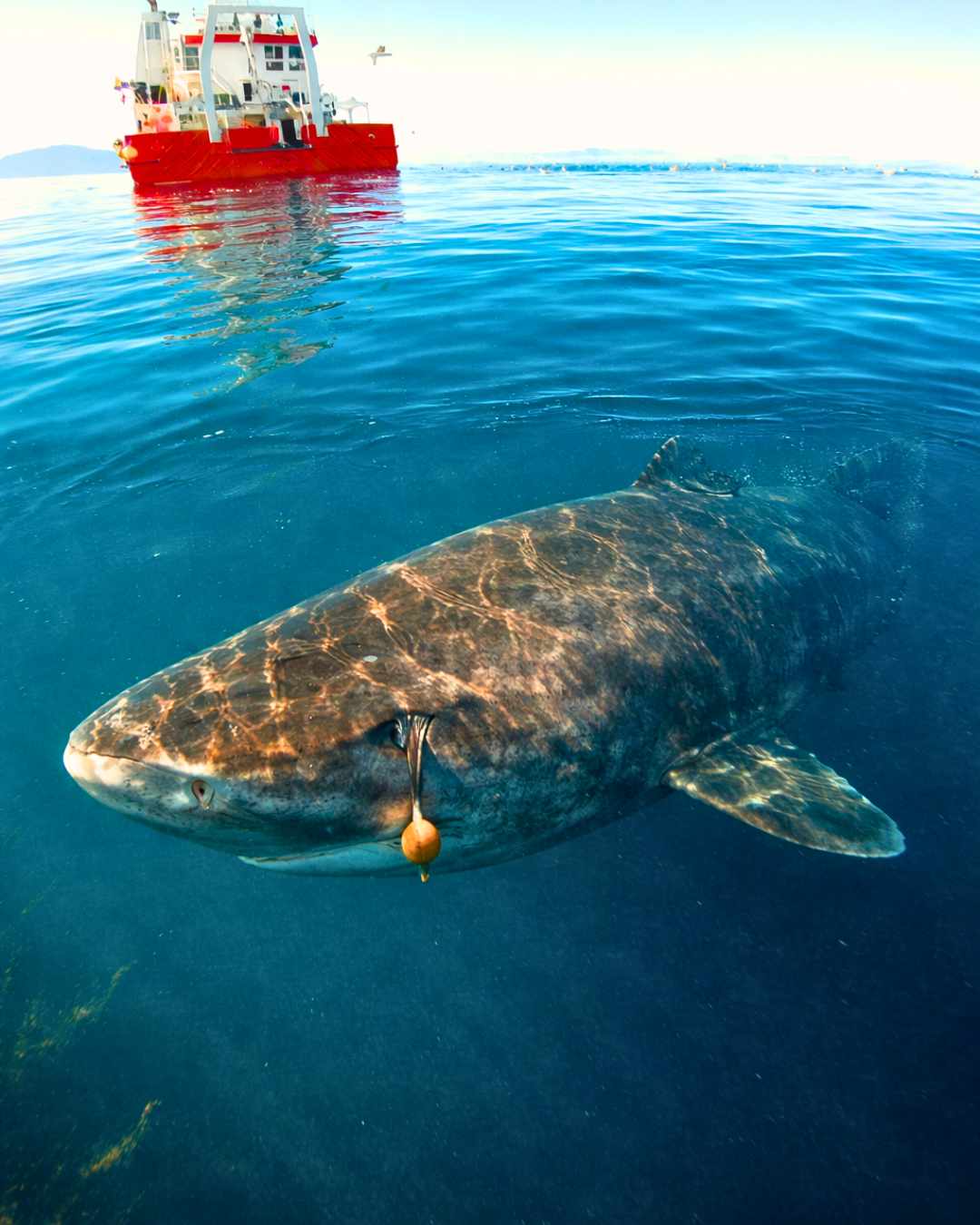
A few months ago, scientists working in the North Atlantic made a remarkable discovery: an exceptionally old Greenland shark.
At first, researchers were certain the shark was elderly, but only later did they realize just how extreme its age might be. New estimates suggest the animal could be as old as 512 years.
If that figure is correct, the shark would officially hold the title of the oldest living vertebrate on Earth.

Living for more than five centuries may sound almost impossible, but Greenland sharks are known for their extraordinary longevity. The species grows at an incredibly slow pace, which is believed to play a major role in its long lifespan.
Greenland sharks typically don’t reach sexual maturity until around 150 years old, and previous observations had already hinted that some individuals might live close to 400 years. Still, the estimated age of 512 years shatters all previous records.
An animal born around 1505 would predate William Shakespeare himself. The findings were published in a scientific study in the journal Science.

To determine the shark’s age, marine biologist Julius Nielsen and his colleagues analyzed the radiocarbon levels in the shark’s eye lenses, a method that provides insight into when the animal was born.
“It definitely tells us that this creature is extraordinary and it should be considered among the absolute oldest animals in the world,” the biologist told.
The study strongly suggests that Greenland sharks can live far longer than scientists had previously assumed.
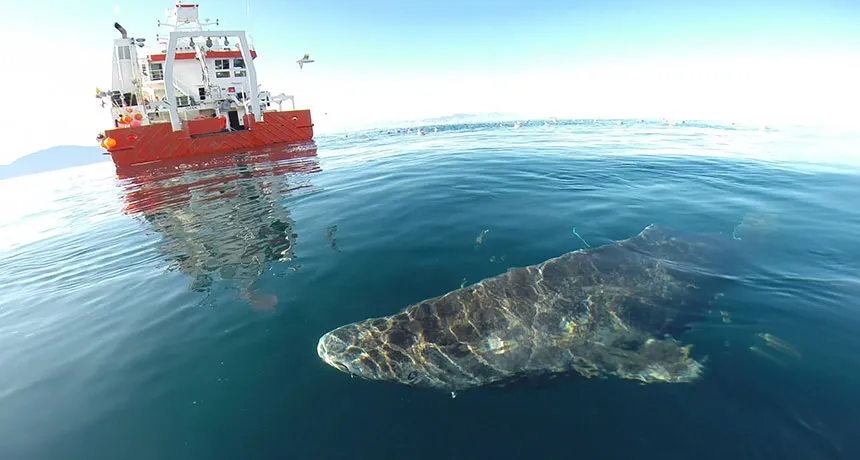
In total, 28 Greenland sharks were examined during the research. The newly applied age-determination technique is considered a major improvement, as earlier approaches were often highly unreliable.
Before this breakthrough, scientists typically estimated a shark’s age based on body size. Members of the Somniosidae family are thought to grow roughly 0.4 inches per year, but this method becomes increasingly inaccurate once the animal reaches maturity.
While size-based estimates can offer a rough guideline, they fall short of providing precise ages.
“Fish biologists have tried to determine the age and longevity of Greenland sharks for decades, but without success. Given that this shark is the apex predator (king of the food chain) in Arctic waters, it is almost unbelievable that we didn’t know whether the shark lives for 20 years, or for 1,000 years,” expert Steven Campana from the University of Iceland stated.
Nielsen has dedicated nearly his entire academic career to studying Greenland sharks. The species is known for its unusual diet, which can include rotting polar bear carcasses—a behavior Nielsen has documented previously.
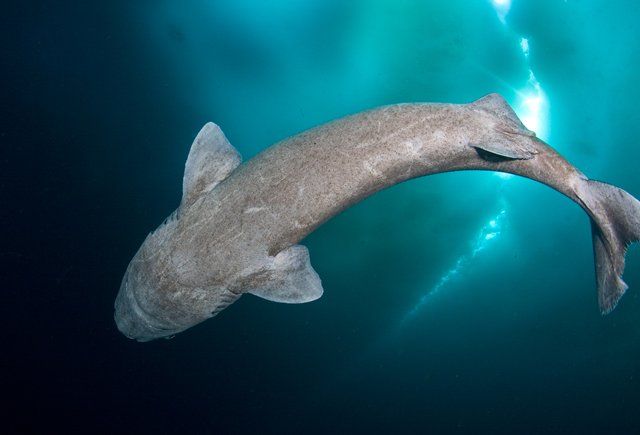
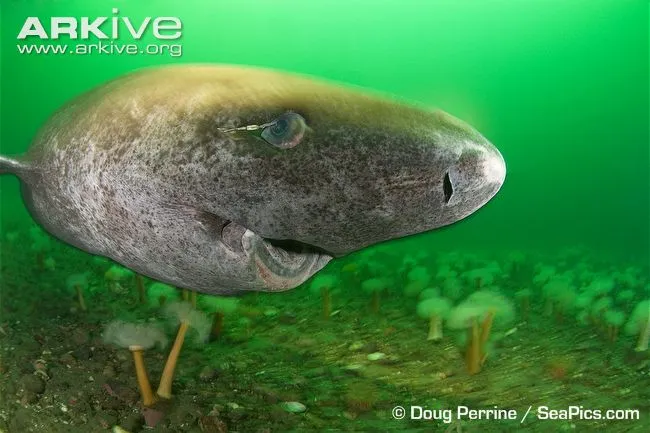
He also notes that these sharks often suffer from parasitic organisms that attach to their eyes, explaining why their eyes frequently appear damaged or unhealthy.
Due to their immense lifespans, Greenland sharks don’t remain in one location for centuries. Samples collected from sharks across the globe showed striking genetic similarities, indicating they likely originated from a single population before dispersing over time.
Despite decades of study, Greenland shark reproduction remains poorly understood, although scientists do know that the cold Arctic environment is their preferred habitat.
Future research aims to uncover the biological mechanisms behind the shark’s extreme longevity. Scientists hope to identify genetic traits linked to long life and explore whether similar mechanisms exist in other species.
“This is the longest living vertebrate on the planet,” he said. “Together with colleagues in Denmark, Greenland, USA, and China, we are currently sequencing its whole nuclear genome which will help us discover why the Greenland shark not only lives longer than other shark species but other vertebrates.”
When asked how a shark could possibly survive for more than five centuries, the researcher suggested that cold water and an exceptionally slow metabolism may be key factors.
However, he was quick to clarify that this explanation remains theoretical.
“The answer likely has to do with a very slow metabolism and the cold waters that they inhabit. I’m just the messenger on this. I have no idea.”