NEW Whale species hiding in the gulf of Mexico, and fewer than 100 are left ALIVE
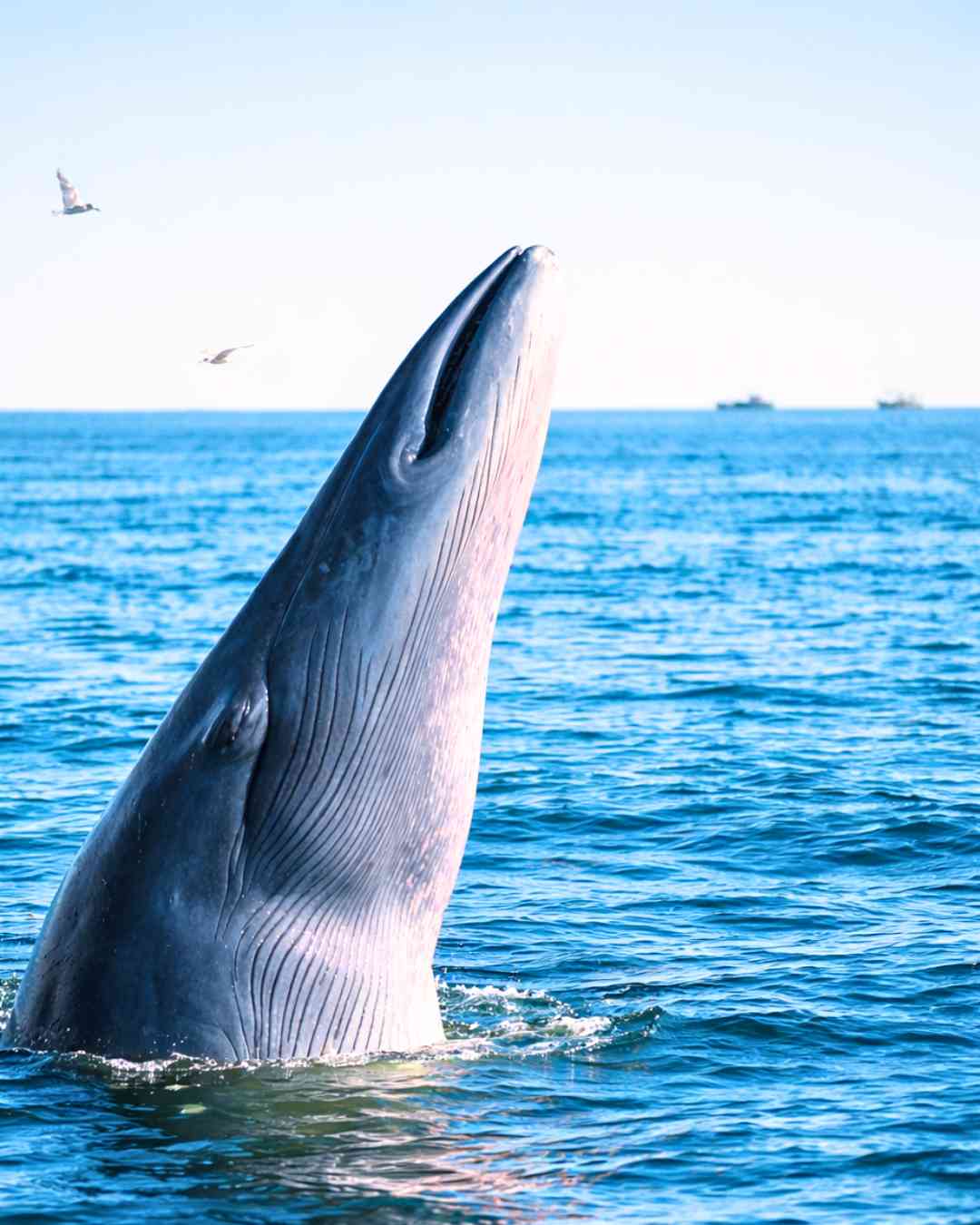
A baleen whale species found only in the Gulf of Mexico, known as Rice’s whale, is already facing extinction despite having been formally identified only recently.
US scientists solved what they described as a “complex species puzzle” after analyzing the skull of a Rice’s whale, uncovering clear morphological traits that set it apart from other baleen whales.
Rice’s whale inhabits a very limited range in the Gulf of Mexico and was long believed to be a subspecies of Bryde’s whale, previously referred to as the “Gulf of Mexico Bryde’s whale.”

It has since been recognized as a distinct species and officially renamed Rice’s whale. Researchers estimate that fewer than 100 individuals remain in the wild, placing the species among the most endangered whales on Earth.
The species faces multiple threats, including oil spills, ship collisions, marine debris, and entanglement in fishing gear. Its extremely small population size and restricted habitat further increase its vulnerability. According to NOAA Fisheries, these combined pressures significantly heighten the risk of extinction.
All baleen whales use baleen plates instead of teeth to filter-feed on krill, plankton, and small fish. Rice’s whale can grow up to 42 feet long and weigh as much as 60,000 pounds.

While its exact lifespan is unknown, closely related species reach sexual maturity at around nine years of age and may live for approximately 60 years.
Rice’s whale is currently listed as endangered and remains protected under the US Endangered Species Act and the Marine Mammal Protection Act. When it was still classified as the Gulf of Mexico Bryde’s whale, it already held endangered status, which continues under its new name.
If the name Rice’s whale is formally accepted by the Society for Marine Mammalogy’s Committee on Taxonomy, NOAA Fisheries will begin the regulatory process to update the official endangered species listing. “The discovery is exciting and will allow them to better understand and protect this rare baleen whale,” NOAA said in a statement.

The effort to correctly classify Rice’s whale dates back more than three decades. NOAA scientist Dr Keith Mullin and colleagues had been observing these whales in the Gulf of Mexico since the 1990s. In 2008, genetic samples collected during vessel surveys revealed unusual differences compared to other whale species.
Dr Patricia Rosel later expanded on this work, publishing a genetic study in 2014 that suggested the whale represented a distinct species or subspecies. The latest research provided the first full morphological examination of a complete Rice’s whale skull, offering definitive physical evidence to support the genetic findings.
“The size and shape of the skull is similar to the other members of the Bryde’s whale complex,” Dr Rosel told MailOnline. “The distinguishing characteristics are in the shape and orientations of several bones in the top of the skull that are located around the blowhole.”

Dr Rosel was able to study a complete skull after a Rice’s whale stranded off Everglades National Park in Florida in January 2019. Following a necropsy by NOAA biologists and the Southeast Marine Mammal Stranding Network, the remains were buried, then later recovered by researchers from the Smithsonian’s National Museum of Natural History for further analysis.
Working alongside international scientists, including Dr Tadasu Yamada of Japan’s National Museum of Nature and Science, the team examined the cleaned skeleton and confirmed key anatomical differences. Genetic data provided “a second line of evidence” supporting the whale’s classification as a unique species.

The common and scientific names, Rice’s whale (Balaenoptera ricei), honor marine biologist Dale Rice, who dedicated more than 60 years to marine mammal research and was the first to recognize the species’ presence in the Gulf of Mexico.

Dr Rosel and her colleagues published their findings in the journal Marine Mammal Science, marking a major milestone in marine biology. Together, genetic and morphological evidence has finally confirmed that Rice’s whale represents a distinct, critically endangered species.